
Over the years, seeing the same kitchen on and on can become boring and not appealing like it once was. But as someone who loves luxury or aesthetics, the drive to renovate the kitchen is not a bad idea. In fact, just as ladies can have a full makeover, the kitchen can also have a makeover.
Truth be told, embarking on a kitchen renovation is an adventure that can transform your space into the dream kitchen you’ve always desired. However, it requires careful planning and execution to ensure a successful renovation from start to finish.
In this 5 mins read, as one of the best kitchen renovation companies in Sydney, we will show you the key steps of a kitchen remodel, covering everything from the initial layout to installing the new fixtures and fittings.
Let’s get started on creating a stylish and practical kitchen that will make every meal preparation a delight.
The layout of your kitchen is the backbone of a successful kitchen renovation. A well-planned kitchen layout not only enhances aesthetics but also optimises practicality, making your kitchen as useful as possible. You need to draw out a plan or envision a layout if you are looking to update an old kitchen or design a kitchen from scratch.
When planning your kitchen layout, consider the classic work triangle – the efficient placement of the sink, cooker, and refrigerator. This concept minimises the distance between these key areas, making cooking and cleaning more efficient. Additionally, think about the flow of your kitchen. For example, a galley kitchen layout or an L-shaped layout is perfect for small spaces, offering a streamlined and efficient workflow.
If you want to make it look modern, incorporate a kitchen island. This can add both functionality and style. It provides additional counter space for food prep, extra storage for kitchen essentials, and a casual dining area. A kitchen designer can help tailor the layout to fit your specific needs and preferences, ensuring that every aspect of your kitchen is both practical and beautiful.
Choosing the right appliances should not be overlooked. Modern appliances not only offer advanced features but also enhance the overall appeal of your kitchen. When selecting appliances, consider their purpose, operational difficulty, energy efficiency, and how they align with your kitchen design.
Start with the essentials: the refrigerator, stove, and dishwasher. These appliances should complement your kitchen’s layout and provide the functionality you need for everyday use. For instance, if you love cooking, invest in a high-quality cooker with precise temperature controls. If you entertain often, a large-capacity refrigerator might be just right.
There are a lot of smaller appliances that can add convenience and style to your kitchen. For example, a sleek microwave, a stylish coffee maker, or a durable toaster can seamlessly blend into your kitchen design. Remember, the goal is to choose appliances that not only look good but also make your kitchen more efficient and enjoyable to use.
Cabinets and countertops are two of the most prominent features in any kitchen. When anyone walks into your kitchen, the first thing that catches their eye are your cabinets, cupboards, and countertops. They not only provide essential storage and workspace but also significantly impact the overall look and feel of your kitchen. Selecting the right cabinetry and countertops is a smart step in ensuring a successful renovation.
When choosing cabinets, consider the material, finish, and style. Solid wood cabinets offer vintage appeal and durability, while laminate cabinets are a budget-friendly option with a wide range of designs. Cabinet doors and hardware should also be chosen with care to complement the overall kitchen design. For a seamless look, opt for handles that match the style of your kitchen.
Countertops need to be both durable and beautiful to the eyes. Popular materials include granite, quartz, and reclaimed wood, each offering unique benefits. Granite is known for its durability and natural beauty, while quartz is non-porous and low maintenance. Reclaimed wood countertops add a rustic charm and are an eco-friendly choice. Consider the texture and color of the countertops to ensure they align with your kitchen design.
Fixtures and fittings are the final touches that bring your kitchen design together. These include sinks, taps, faucets, lighting and splashbacks. These elements add style to your kitchen and of course, a kitchen can’t do without them.
Start with the sink and tap, which are essential fixtures in any kitchen. Choose a durable sink that can withstand daily use, such as stainless steel or porcelain. The tap should be both functional and stylish, with features like a pull-out spray head for added convenience.
A well lit room improves mood, so lighting is as important as bread is to butter. Incorporate a mix of task lighting, ambient lighting, and accent lighting to brighten every corner of your kitchen. Under cabinet hardware lighting is great for illuminating countertops, while pendant lights can add a decorative touch.
Splashbacks not only protect your walls from spills and splatters but also add a pop of colour and texture to your kitchen. Choose a material and design that complement your overall kitchen decor and your persona. It could be sleek glass, wallpaper, a colourful tile, or a classic subway tile.
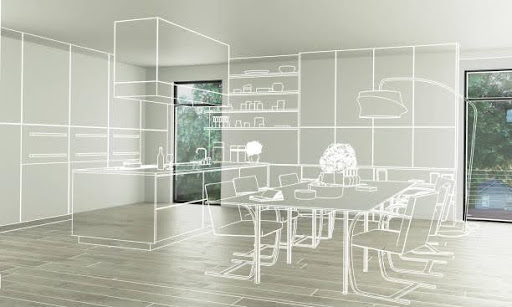
Do not forget the floors! The floor in your kitchen needs to be both durable and comfortable, as it will endure a lot of foot traffic and potential spills. When choosing flooring, consider materials that offer both convenience, style and rigidity.
Tile is a popular choice for kitchen floors due to its durability and ease of maintenance. It comes in various colours, patterns, and textures, allowing you to create a look that suits your kitchen design. Porcelain tiles are particularly durable and resistant to stains and moisture.
If you prefer a warmer feel underfoot, consider timber or laminate flooring. Timber floors add a natural and vintage appeal to your kitchen, while laminate flooring offers a cost-effective alternative with a wide range of designs. Both options are relatively easy to clean and maintain, making them suitable for busy kitchens.
Hiring a professional kitchen designer and contractor can make the renovation process smoother and more successful. A kitchen designer brings invaluable expertise in creating a layout that optimises space, functionality, and durability while ensuring the aesthetics align with your vision.
A contractor oversees the renovation process, coordinating tradespeople such as plumbers, electricians, and installers. They ensure that all technical aspects, from plumbing and electrical to the installation of cabinets and appliances, are executed flawlessly. This not only saves you time and stress but also ensures the highest quality of workmanship.
Prime Kitchens and Bathrooms is loaded with professionals that have a solid reputation and experience in kitchen renovations. Our expertise can help you oversee the complexities of the renovation process, providing peace of mind and ensuring a successful outcome.
The renovation process involves several key steps, from the initial demo to installing the new fixtures and fittings. Understanding these steps can help you prepare for the journey ahead and manage expectations.
The process typically starts with the demo, where the old kitchen is removed to make way for the new design. This phase can be messy and inconvenient, but it’s a necessary step in creating your dream kitchen. Make sure to plan for the inconvenience and have a temporary kitchen setup to manage daily tasks.
Next comes the installation of plumbing and electrical systems, followed by the installation of cabinets, countertops, and appliances. Each step requires careful coordination to ensure everything aligns perfectly.
Finally, the finishing touches, such as lighting, splashbacks, and fixtures, are added to complete the transformation.
While trends come and go, creating a timeless kitchen design ensures that your kitchen remains stylish and functional for years to come. In addition to or kitchen renovation steps, here are some tips to achieve a timeless look:
A successful kitchen renovation is a blend of careful planning, quality materials, and skilled craftsmanship. From the initial layout to the final fixtures, every aspect of your kitchen remodel should align with your vision and needs. When you follow these key steps and engage professional help, you can transform your kitchen into a beautiful, functional, and timeless space.
Ready to embark on your kitchen renovation journey? Prime Kitchens and Bathrooms is here to help you every step of the way. With our team of experienced designers and contractors, we will work with you to create a kitchen that reflects your style and enhances your home.
Contact us today to start planning your dream kitchen and turn your renovation vision into reality.
The timeline for a kitchen renovation can vary depending on the size of the kitchen, the scope of work, and other factors. On average, our kitchen renovation can take anywhere from 4 to 12 weeks to complete.
Factors that can impact the time it takes to renovate a kitchen include the size of the kitchen, the complexity of the project, the availability of materials, and any unexpected issues that may arise during the renovation process.
Renovating a smaller kitchen may take less time compared to a larger kitchen. On average, a small kitchen renovation can be completed in about 4 to 6 weeks.
The average timeline for a kitchen renovation typically includes the planning and design phase (2 weeks), demolition (1 week), installation of new features and appliances (2-4 weeks), and finishing touches (1-2 weeks).
Installing a completely new kitchen may take longer than renovating an existing one, as it involves additional steps such as removing the old kitchen entirely and starting from scratch.
To ensure your kitchen renovation stays on track, make sure to work with a reliable contractor, have a detailed project plan in place, communicate clearly with your team, and be prepared for unexpected delays.
While every renovation is unique, it is common for kitchen renovations to take longer than originally estimated due to unforeseen challenges, changes in design, or delays in material delivery.


