
When planning a kitchen renovation, the cost of kitchen cabinets is often the biggest influence on your budget. With countless styles, materials, and cabinet makers to choose from, getting the right balance between cost and quality can be challenging.
In this guide, we’ll break down the real pricing of kitchen cabinets in Australia—covering everything from flat-pack and custom cabinetry to hidden expenses, cost-saving tips, and honest advice on when to save and when to splurge. Whether you’re a homeowner keen to create a kitchen you’ll love or simply want to get the best value from your kitchen renovation, this article will help you make informed choices every step of the way.
What types of kitchen cabinets are available in Australia?
Choosing the right kitchen cabinet style will shape your renovation and dictate your investment. In Australia, cabinet options generally fall into three main categories:
Flat-Pack Cabinets
- Flat-pack kitchen cabinets are pre-cut and ready to assemble by the DIY enthusiast or your cabinet maker. Available from hardware stores, IKEA, and specialty suppliers, they are the most budget-friendly way to install new kitchen cabinets.
- Expect to pay between AUD 80 and AUD 500 per flat-pack unit, depending on size and quality.
- Best suited for standard kitchen layouts, rental properties, or home renovations where affordability is key.
Semi-Custom Cabinets
- Semi-custom cabinets allow you to select from a set range of widths, heights, and colours, making it possible to personalise your kitchen design while still keeping costs lower than full custom cabinetry.
- These may include laminate, MDF, or spray-painted (2PAC) doors with mid-range hardware and can cover more individual requirements, such as additional drawers or pantry units.
Fully Custom Cabinets
- For a truly bespoke kitchen renovation, custom cabinets are made to your specific room dimensions, tastes, and needs. Choices for finish, materials, hardware, and joinery are virtually unlimited.
- Custom-built cabinets are designed, manufactured, and installed by local cabinet makers. These often feature higher-end materials and finishes and are the most expensive option, especially if you require custom designs, farmhouse styles, or unique configurations.
The best cabinet type for your kitchen often comes down to the renovation budget, desired finish, and how much customisation you need.
How does cabinet material impact pricing?
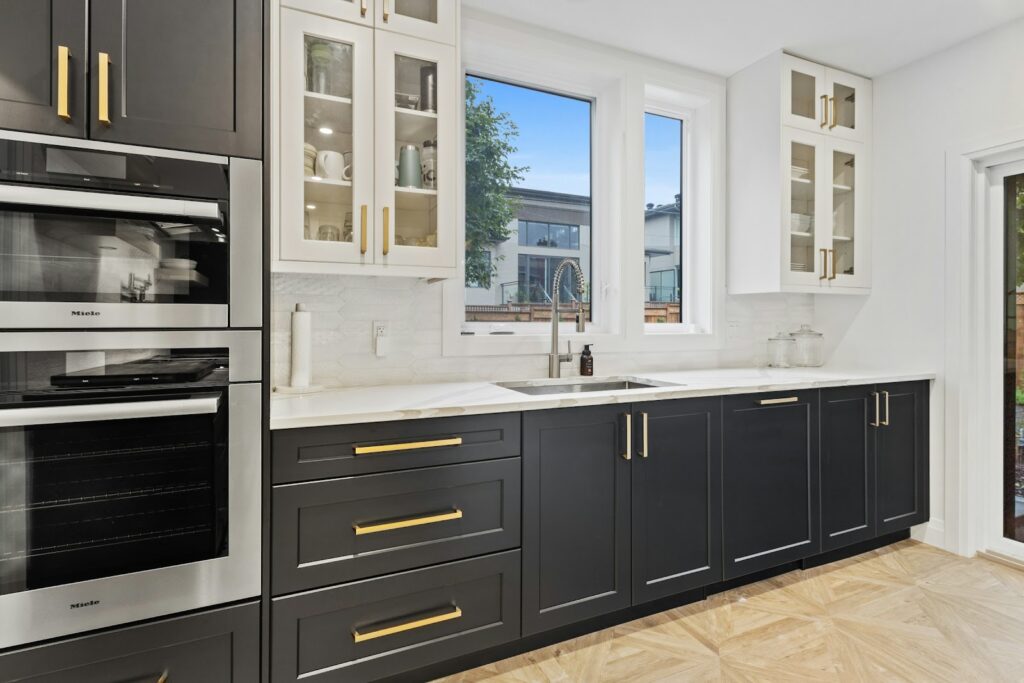
Cabinet material is a primary driver of kitchen renovation costs and has a big effect on both appearance and durability.
MDF (Medium Density Fibreboard)
- MDF is the standard base for most budget and mid-range kitchen cabinets in Australia. It’s affordable, smooth to finish, and accepts paint or laminate well.
- Drawbacks: It’s more susceptible to water damage than plywood or hardwood.
Plywood
- Known for its strength and resistance to warping, plywood is used in many high-quality kitchens and preferred for its stability in wet or humid settings.
- May cost significantly more than MDF but delivers lasting results.
Hardwood
- Timber kitchen cabinets, such as those in oak, maple, or other hardwoods, offer a classic look and superior durability.
- As a premium material, hardwood cabinetry is the priciest option, often reserved for high-end or farmhouse-style kitchens.
Laminate
- Laminate cabinets use a printed layer adhered to a substrate like MDF or chipboard. They deliver a huge range of colours and faux textures, including wood-grain effects.
- Laminate cabinets and drawer fronts are cost-effective and easy to care for, but lower-priced options may chip or peel easier than other finishes.
2PAC (Two Pack Polyurethane)
- 2PAC refers to a painted, baked-on finish popular in modern kitchen design. It allows for a sleek, seamless look.
- More expensive than standard laminate, but offers superior scratch resistance and a high-gloss finish.
Mixing materials is common in modern kitchen layouts—for example, combining laminate base cabinets with a plywood kitchen island or using hardwood for features such as open shelves.
What’s the average cost per linear metre for kitchen cabinets?
Kitchen renovation costs are often discussed in terms of the cost per linear metre for cabinetry. In 2025, approximate averages in Australia are:
| Cabinet Type | Typical Cost per Linear Metre |
| Flat-Pack | AUD 400 – AUD 1,200 |
| Semi-Custom | AUD 900 – AUD 1,700 |
| Custom Cabinets | AUD 1,200 – AUD 3,000+ (sometimes higher) |
For a standard kitchen (typically 6–8 linear metres of cabinetry), you can expect the following spend just on cabinets:
- Flat-pack: AUD 3,500 – AUD 8,000 (for cabinets only, excludes installation and extras)
- Semi-custom: AUD 7,000 – AUD 15,000
- Custom: AUD 11,000 – AUD 22,000 or more
Note these are indicative averages; pricing may cost significantly more in high-end renovations or for unusually complex layouts.
What are the hidden costs of kitchen cabinets?
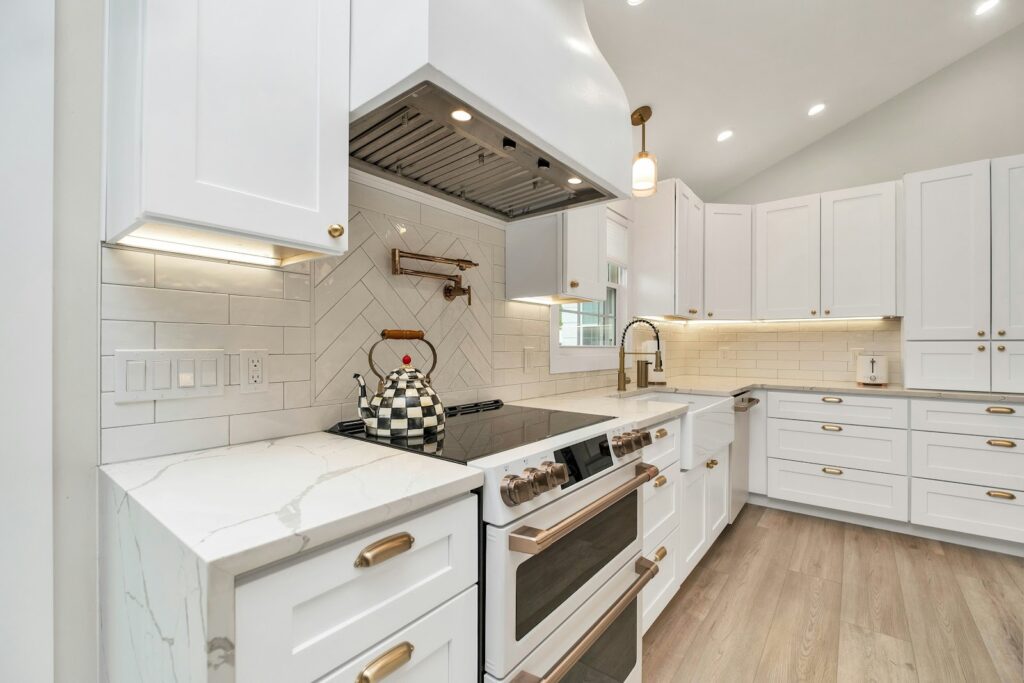
The price of cabinets is never the whole story—there are plenty of hidden costs homeowners should include in their kitchen renovation budget:
Handles and Pulls
- Handles may cost as little as AUD 3 or as much as AUD 50 each for premium styles or integrated pulls, adding up quickly if your kitchen has many drawers and cabinets.
Soft-Close Hinges and Drawer Runners
- Upgraded soft-close hinges and drawer runners make a kitchen feel high-quality and last longer but can add AUD 20–AUD 60 per drawer or door to your bill.
Installation and Labour
- Professional installation is critical for a quality kitchen and might cost AUD 2,000–AUD 3,000 for a small kitchen, depending on the complexity and location.
- Removal and disposal of your existing kitchen or benchtops (demolition) can cost AUD 500–AUD 1,500, while plumbing or electrical trade costs are extra.
Delivery Fees
- Large kitchens may cost hundreds for delivery, especially if requiring on-site assembly or crane access.
Other Extras
- Splashbacks, stone benchtops, appliances, custom drawer inserts, lighting, and waste bins—these push up the total price but are sometimes missed during the quoting process.
When requesting a quote, always ask your cabinet makers to detail these hidden costs upfront.
Which factors influence the cost of your kitchen cabinets most?
Several key factors determine the final pricing for kitchen cabinets:
Material
- MDF is budget-friendly, plywood offers better longevity and holds up to moisture, while hardwood and 2PAC give premium looks at a higher rate.
Joinery and Cabinet Construction
- Bespoke joinery, the use of thick boards, or custom shapes (such as pull-out pantry units, extra-wide drawers, or curved doors) costs more.
- Simple, modular cabinet carcasses and standard sizes are the most affordable.
Finish
- Gloss or matte, textured, timber veneer, painted, or wrapped—finishes affect both look and durability. High-gloss 2PAC or natural timber veneer are more expensive than basic laminate.
Customisation
- Unusual layouts, integrated appliance panels, and designer elements (such as sliding farmhouse pantry doors or curved kitchen islands) increase both material and labour costs.
- The more your kitchen renovation strays from standard measurements and configurations, the more it may cost.
Labour and Trade
- Installers, electricians, plumbers, and other tradespeople are a necessary expense, and rates can vary by location, kitchen size, and site accessibility.
What are practical cost-saving tips without sacrificing quality?
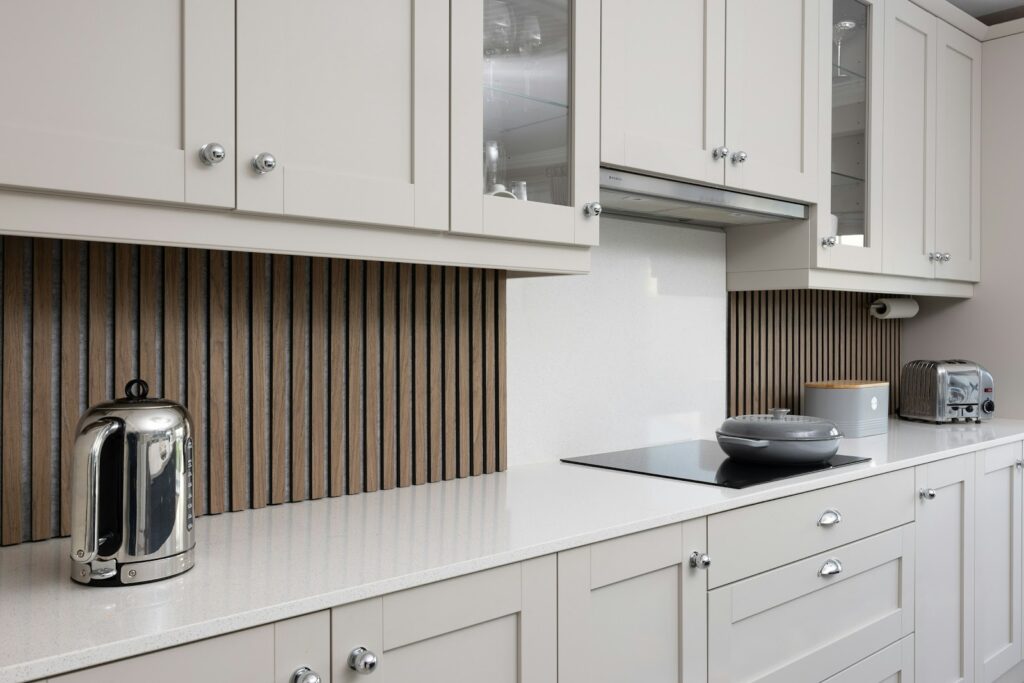
You can create a kitchen you love without blowing your renovation budget:
- Keep Your Layout Simple: Minimise changes to layout and plumbing to reduce trade and labour costs.
- Prioritise Cabinets Over Cupboards: Drawers cost more than shelves and cupboards—use them only where required.
- Mix and Match Materials: Use laminate cabinets for main runs and upgrade to plywood or timber only for visible features such as a kitchen island.
- Go Flat-Pack for Laundry or Butler’s Pantry: Save custom cabinetry for the main kitchen while using flat-pack options in less visible areas.
- Source Handles Separately: Some homeowners find designer handles online at better prices than through cabinet makers.
- Choose White Interiors: A white carcass is usually the standard and more affordable than coloured or woodgrain board, with no impact on functionality.
- Plan for the Long Term: Invest in quality hinges and soft-close drawer runners—they’re less likely to require future repairs and add resale value.
A measured approach allows for an impressive kitchen style while staying within a realistic budget.
When should you splurge, and when should you save?
- Splurge on: Soft-close drawer runners, high-use cabinetry, joinery for corner cupboards and pantries, and a well-made benchtop.
- Save on: Pantry shelves, laundry cabinets, and internal features that are not regularly on display.
Think about your long-term lifestyle and resale. In high-value homes or when planning to stay long-term, more durable materials and custom cabinetry add value. For rental properties or budget renovations, flat-pack or mid-range semi-custom options usually deliver the best value without compromising function.
What are the risks of buying cheap kitchen cabinets?
The lower your upfront spend, the greater your risk of:
- Premature Wear and Tear: Cheap materials may chip, swell, or peel—especially when exposed to steam and water in an Australian kitchen.
- Poor Fit: Budget cabinets may not fit wonky or uniquely shaped spaces, leaving gaps or wasting valuable storage space.
- Warping and Structural Problems: Inexpensive particleboard or poorly constructed MDF can sag, bend, or warp, shortening your cabinetry’s lifespan.
- Missed Quality Control: Cheaper finishes and basic joinery may look tired only a year or two after your kitchen renovation, costing you more in long-term repairs or replacements.
Always balance price with quality to avoid costly mistakes and renovation regrets.
How does Prime Kitchens and Bathrooms price and quote your project?

Prime Kitchens and Bathrooms follows a transparent and thorough quoting process for every kitchen renovation:
- On-Site Consultation: Every project begins with a professional measure and site assessment to understand the space, layout, and your style goals.
- Itemised Quoting: Quotes from Prime Kitchens clearly break down pricing for each cabinet, finish, handle, drawer, and internal fitting. No hidden costs—just clear, upfront pricing.
- Material Selection Guidance: We help you compare options like laminate, 2PAC, or natural timber—explaining the price differences and life expectancy for each.
- Flexible Solutions: Whether you need a single flat-pack cabinet or a full suite of custom cabinetry, our designers tailor everything—from budget to high-end packages.
- Fixed Price Agreements: Once materials, finish, and layout are finalised, Prime Kitchens provides a fixed price so you can plan the remainder of your kitchen renovation confidently.
- Quality Assurance: All cabinetry is manufactured locally to Australian standards, with warranties on joinery, finish, and installation.
How does Prime Kitchens and Bathrooms balance style and cost-effectiveness?
Striking the perfect balance between aesthetics and value is at the heart of every Prime Kitchens project.
- We Recommend Proven, Quality Materials: Our cabinet makers work only with tested substrates, reliable hardware, and trusted suppliers.
- Creative Design Without Excess: We help you achieve a modern kitchen style using cost-effective finishes like durable laminate, bringing in custom timber or stone only where it adds the most value.
- Flexible Packages: From modular flat-pack solutions for a budget-friendly renovation to bespoke joinery for those who want standout custom cabinetry, we tailor our approach to your home and renovation budget.
- Ongoing Support: Our recommendations are based on years of experience in both home renovation and trade supply, so you benefit from tried-and-true cost-saving strategies without compromise.
- Transparency and Education: We talk you through every cabinet, drawer, and finish in your kitchen renovation quote, so you’re never surprised by unexpected expenses or features.
What’s the best approach for your home’s value and renovation goals?
Choosing your kitchen cabinetry spend should start with two key factors—your home’s value and your lifestyle.
- For Entry-Level and Investment Homes: Stick to good-quality laminate cabinetry, smart layouts, and efficient design. Save on trendy extras that date quickly, but don’t skimp on hinges or critical joinery. This maximises both affordability and rental return.
- For a Forever or Family Home: Invest in hardier materials like plywood or bespoke timber where possible, with design features (such as a farmhouse island or stone benchtops) that reflect the style of your property.
- For High-End Properties: Go custom with premium cabinetry and unique design touches—consultation with experienced cabinet makers will help align style and function with your renovation goals.
Above all, measure your choices against how long you plan to stay and what will future-proof the most important room in your home.
Conclusion
The cost of kitchen cabinets in Australia is shaped by many variables—from material and design to the installation process and hidden costs. A beautiful kitchen renovation doesn’t mean overspending, but it does mean budgeting smartly, being aware of price influences, and never going too cheap where quality matters most.
By understanding all the factors outlined here, you’ll be prepared to create a kitchen you love, whether you’re working with a flat-pack kitchen or embarking on a fully custom transformation. Prime Kitchens and Bathrooms is your partner for honest advice, beautiful design, and cost-effective solutions—the ideal blend for every Australian home.


