
Timber kitchens are admired for their warmth, beauty, and versatility—the kind of kitchen that never goes out of fashion. But are wooden kitchens still worth the investment in today’s modern renovations, or are there better alternatives for Australian homes?
This comprehensive guide explores what sets a timber kitchen apart, weighs the pros and cons, dives into design ideas, reveals the best woods for kitchen cabinetry, and unpacks when real wood is worth it. You’ll learn how to blend quality kitchens with modern style, discover detailed comparisons with laminate, and get expert tips on crafting a stylish, timeless kitchen to suit any lifestyle.
What defines a wooden kitchen?
A wooden kitchen—also known as a timber kitchen or wood kitchen—is defined by the use of natural wood for cabinetry, cupboard doors, shelving, and sometimes benchtops or wall panels. Genuine timber kitchens showcase the grain, texture, and natural appeal of real wood, while wood-look materials—such as laminate or vinyl—aim to mimic the appearance of timber at a lower price point.
Natural wood is made from solid hardwood or high-quality veneers. Hardwood timber like oak, walnut, or maple offers durability and unique grain patterns, distinguishing each kitchen cabinet and cupboard.
Wood-look kitchens, on the other hand, use printed laminates, engineered boards, or composite surfaces to replicate the look of timber. These can be found in modular and flat-pack settings, making them accessible for budget-friendly kitchen design or play kitchen options.
Whether you choose genuine timber or wood-look cabinetry, the finish, crafting quality, and design ideas play a huge part in the end result—both visually and in how your kitchen stands up to wear.
What are the main pros of choosing a timber kitchen?
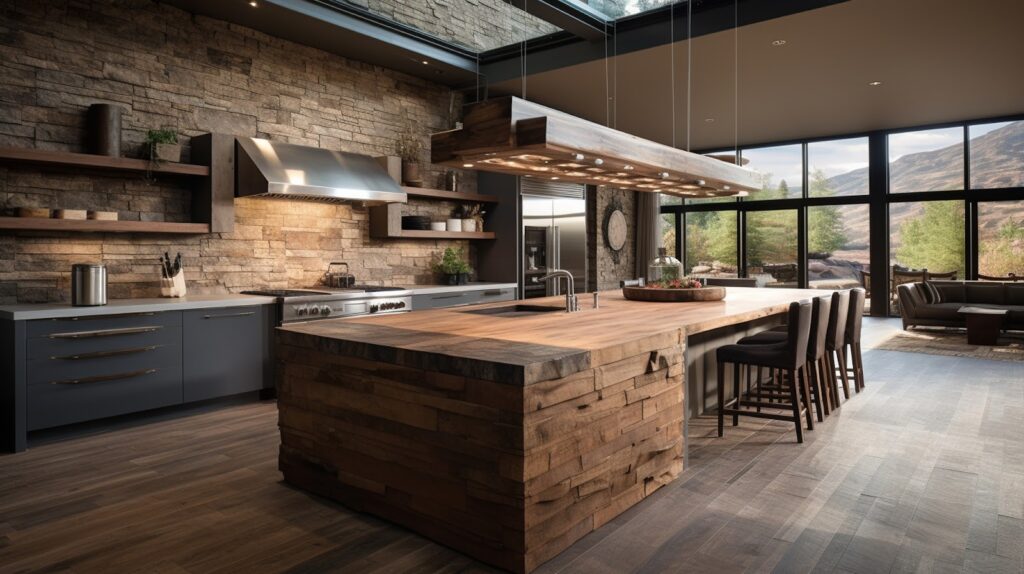
Wooden kitchens remain a top choice for homeowners and designers seeking a timeless and elegant kitchen makeover. Here’s why timber kitchens are still so desirable:
Timeless Appeal
- Wood never goes out of fashion. From shaker to contemporary settings, timber kitchens always look inviting and stylish.
- Trends such as light wood cabinets stand the test of time, adapting easily to new hardware or colour schemes.
Durability
- Hardwood cabinetry, if maintained well, can last decades. Scratches and dings can often be sanded out and refinished, unlike more brittle materials.
- Timber kitchens add long-term value to a home, making them a strong investment for both everyday living and resale.
Warmth & Texture
- Natural wood adds a warm, earthy tone to any kitchen, balancing the coolness of stainless steel appliances or stone benchtops.
- Even the grain, knots, and slight imperfections contribute to a kitchen’s character and make it unique, creating a nature-inspired feel.
Customisation and Creativity
- Timber can be stained, painted, or left in its natural state, offering immense creative flexibility.
- Joinery and bespoke crafting allow for unique details, from custom shelves to a beautifully crafted kitchen island tailored to your needs.
A well-designed wood kitchen not only looks good but also creates a cosy haven in the heart of the home, blending practicality with design.
What are the cons of wooden kitchens in modern design?
While wooden kitchens are beautiful and durable, there are important drawbacks homeowners should consider:
Higher Cost
- Natural timber cabinets are costlier than laminate or vinyl, as they require skilled crafting, higher quality materials, and more complex installation.
- Premium hardwoods and quality kitchens come at a price that may not suit all budgets.
Ongoing Maintenance
- Timber requires some upkeep. Regular oiling or sealing protects against stains, and minor repairs may be needed over time to address scratches or watermarks.
- Cleaning requires gentle products; harsh chemicals or repeated use of water may degrade the finish.
Susceptibility to Water Damage or Warping
- Wood is more sensitive to moisture than engineered products. Spills left untreated, leaking sinks, or wet floors can cause swelling, warping, or cracking.
- In Australia’s varied climate, rapid changes in humidity or direct sun can also affect stability and colour.
Scratching and Denting
- Timber, though sturdy, is more prone to surface dents from impacts and heavy kitchen accessories compared to some super-tough laminates or stainless steel units.
Maintenance shouldn’t deter you from choosing wood, but it’s vital to understand what’s required to keep your timber kitchen looking its best for years.
Trendy Wooden Kitchen Designs and Ideas
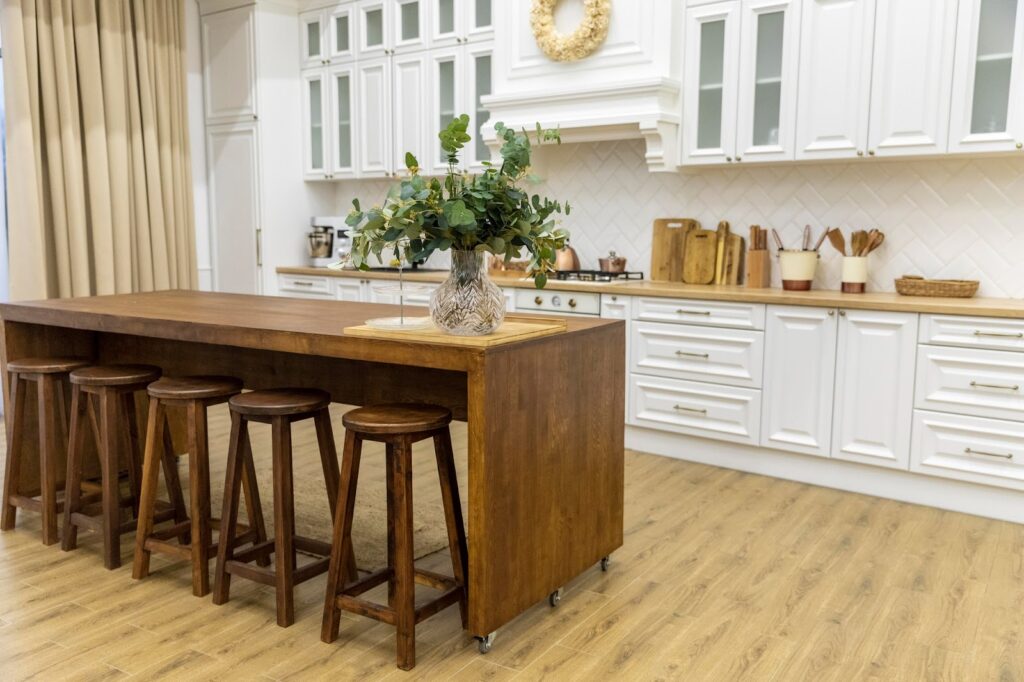
Timber kitchens are remarkably versatile. Here are some design ideas that suit modern lifestyles:
Modern Rustic
- Embrace the raw beauty of timber with exposed beams, textural joinery, and a kitchen island made from reclaimed hardwood.
- Pair with raw-edge shelves and earthy tones in the benchtop or splashback for an organic look.
Shaker Kitchens
- The Shaker kitchen’s clean lines, panelled cabinets, and understated elegance are made for wood lovers.
- White, pale grey, or navy cabinets blend seamlessly with stained timber benchtops or open wooden shelves.
Two-Tone and U-Shaped Designs
- Mix light wood cabinets (such as maple or birch) with painted cupboards or deep navy/bottle green tones for a modern aesthetic.
- U-shaped layouts optimise storage space and allow for a bold centre-piece kitchen island or modular benchtop.
Farmhouse and Country
- Warm oak or walnut, apron-front sinks, and soft beige or cream cabinetry define the classic farmhouse vibe.
- Open shelving, visible shelving brackets, and nature-inspired colours complete the look.
These ideas can be easily tailored to suit both contemporary furnishing tastes and more traditional homes.
Best Wood Types for Kitchens: Oak, Walnut, Maple, Birch & More
Choosing the right wood is essential for lasting quality and visual appeal.
Oak
- Oak is a timeless and versatile favourite for timber kitchens. Its pronounced grain adds texture, and it accepts both light and dark stains.
- Oak is naturally durable, making it ideal for family-friendly kitchen design.
Walnut
- Walnut’s rich, dark colour and elegant grain offer a luxury feel suited to kitchens in dark and moody tones.
- It resists warping better than some other hardwoods but comes at a premium price.
Maple
- Maple wood is paler, features fine, even grain, and is strong but easy to craft, making it perfect for Shaker or Scandinavian styles, especially for light wood cabinets.
Birch
- Birch is lighter in weight and colour. It’s budget-friendly and often used for modular or modern kitchen cabinetry with a sleek finish.
Other Contenders
- Ash and cherry can offer unique hues and hardness, while Australian hardwoods like blackbutt or spotted gum are prized for their sustainability and durability.
Pairing the right timber with your desired finish and budget is where a quality kitchen consultation makes all the difference.
How do modern design styles use wood?
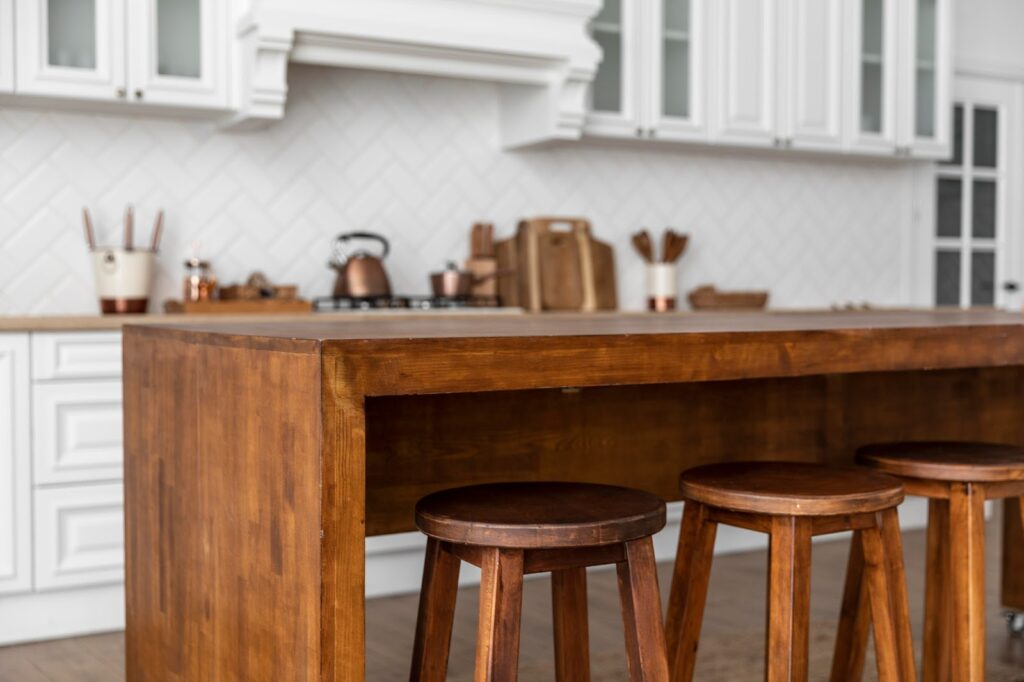
Modern timber kitchens aren’t just about traditional country charm. Today’s most stylish spaces often blend wood with minimalism and global influences.
Scandinavian/Nordic
- Light timber (maple, birch) features in cabinets, open shelves, and kitchen worktops, paired with sleek white surfaces, minimalist lines, and clever storage space.
- The focus is on bright, airy spaces that feel uncluttered and practical.
Rustic Modern
- Rustic-style kitchens use reclaimed or weathered timber to bring nature-inspired texture into the home, balanced with stone benchtops and stainless steel accents.
- Beige and earthy tones create a calm, welcoming ambience.
Japandi
- The Japandi approach seamlessly blends Japanese minimalism with Scandi warmth.
- Expect sleek cabinetry in pale or dark timber, stone or quartzite benchtops, and a muted, nature-inspired palette for an understated but stylish result.
Industrial & Urban
- Concrete flooring, exposed stainless steel, and rough-sawn wood blend for an edgy, creative kitchen look.
- The timber acts as a counterpoint to more severe industrial materials.
Experimenting with new takes on classic timber kitchens keeps your kitchen fresh and reflective of your personality.
Using Wood for Contrast
The beauty of timber is amplified when paired thoughtfully with modern materials and finishes.
Wood + Matte Black
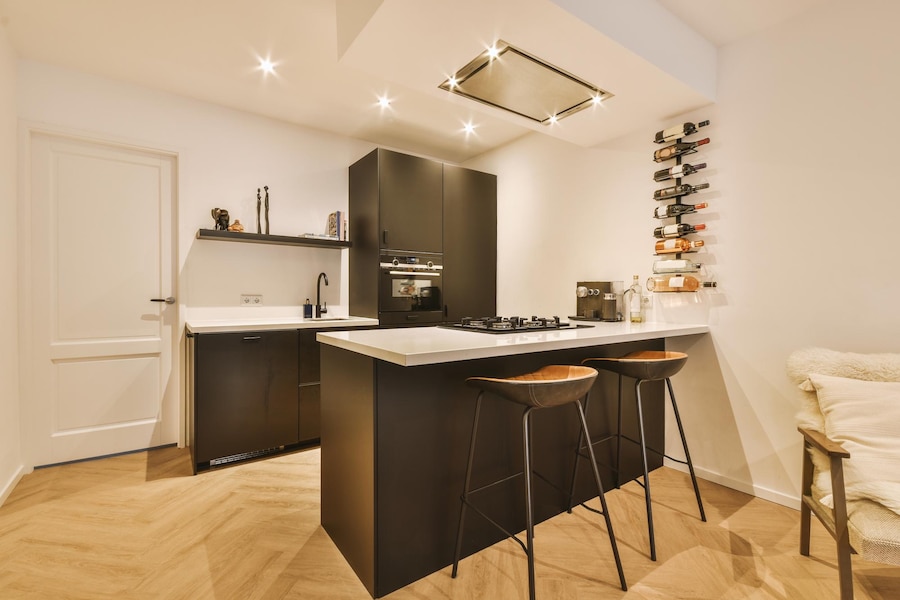
- One of the most popular kitchen trends is light or dark timber cabinetry with matte black fittings: think handles, tapware, or even a dramatic kitchen island counter.
- The contrast offers a modern, bold look that’s sophisticated without being cold.
Wood + Marble
- Marble splashbacks, benchtops, or worktops paired with oak, walnut, or ash cabinets lend instant luxury.
- The smooth, cool feel of marble complements the warmth and texture of timber, creating balance and elegance.
Wood + Stainless Steel
- Adding stainless steel appliances, drawer pulls, or kitchen accessories can bring a timeless commercial edge to any timber kitchen. Stainless steel is also durable and easy to maintain.
Mixing Tones and Finishes
- Try combining light wood cabinets with dark countertops or pairing timber shelves with glossy, colourful cupboard fronts.
- Using brass taps or handles, a beige splash, or earthy-toned benchtops to add another dimension to your kitchen design.
The right blend can make your wood kitchen both unique and highly functional.
Wooden vs. Laminate Kitchens
A common dilemma is whether to go for a wood kitchen or a budget-friendly laminate lookalike. Here’s how the choices stack up:
| Feature | Timber Kitchens | Laminate Kitchens |
| Materials | Hardwood/veneers | Printed MDF/ply |
| Durability | Highly durable; repairable scratches | Durable, but chips and swelling likely if damaged |
| Maintenance | Needs oil or sealing | Wipe-clean, no sealing |
| Water Resistance | Susceptible if untreated | Usually water resistant, but edges can swell |
| Cost | Higher | Budget-friendly |
| Customisation | Unlimited—natural textures, stains, shapes | Hundreds of style choices, but “uniform” texture |
| Repairability | Surface can be sanded/refinished | Chips and swelling are usually irreparable |
| Aesthetic | Unique grain, warmth | Wide style choice, but wood-look can feel artificial |
Laminate is an excellent budget or DIY solution, but for a truly timeless kitchen, nothing matches the sensory richness of real wood.
How to Pair Wooden Cabinetry With Benchtops, Splashbacks, and Floors
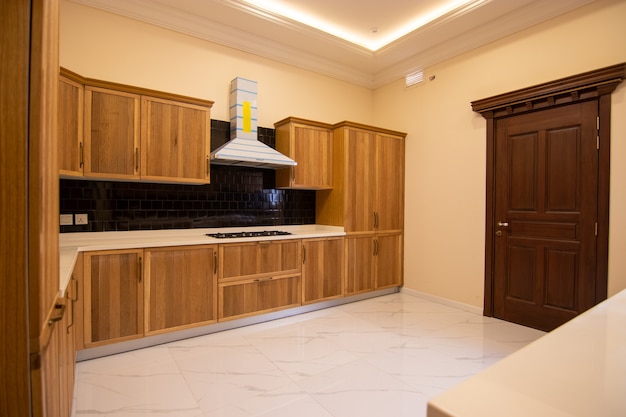
Achieving a balanced timber kitchen relies on more than just your cupboards.
Benchtops
- Timber cabinetry is often paired with stone, marble, or quartzite benchtops for a high-end look. These worktops bring contrast, durability, and easy upkeep.
- For a more rustic feel, a hardwood benchtop in the same or contrasting tone can work beautifully but needs regular sealing.
Splashbacks
- White subway tiles, mirrored finishes, or coloured glass splashbacks all offer modern contrast with wooden cabinetry.
- Marble or stone splashbacks add texture and complement the natural materials of timber kitchens.
Floors
- Timber floors in a contrasting tone, or luxury vinyl planks, keep the look cohesive—just use care not to match cabinetry and floors too closely, which can appear dull.
- Tiled floors (stone, slate, or ceramic) offer a hard-wearing, complementary base for family kitchens.
A carefully curated kitchen design makes every surface pop while ensuring the entire space remains cohesive.
How Lighting and Layout Enhance Timber Kitchens
Good lighting and a functional layout can take timber kitchens from simply beautiful to absolutely outstanding.
Lighting
- Pendant lights above a kitchen island or benchtop add both style and task lighting, showcasing the timber’s texture and tone.
- Under-cabinet LED strips illuminate work areas and highlight the grain without overpowering the space.
- Skylights or well-placed windows magnify the natural warmth of timber.
Layout
- Open shelving or glass-front cupboards stop the space from feeling “heavy” and balance out the richness of wood cabinets.
- U-shaped and modular kitchen layouts maximise counter space and make the kitchen highly functional.
A well-planned layout is key to both usability and letting the timber kitchen’s materials and finishes truly shine.
When should you choose wooden cabinets?
Wooden cabinets are not for everyone, and the decision depends on multiple factors:
Budget
- Timber kitchens are an investment. If your renovation budget is tight, you may choose timber veneer for the most visible spaces and match it with affordable laminate for areas like the pantry or laundry.
Style Goals
- If timeless, earthy, and nature-inspired style is your goal, quality wood cabinetry is the perfect fit.
- For a more modular or industrial-feeling kitchen, you might choose laminate or steel for some elements but use timber for shelves, the kitchen island, or drawer fronts.
Resale Value
- Well-maintained timber kitchens add value to a home and can help you stand out in a crowded market.
- Buyers appreciate high-quality joinery and the sense of warmth only wood kitchens provide.
Choose wooden cabinets if you value longevity, beauty, and artisan craftsmanship in your kitchen, and if you’re prepared for a little ongoing care.
Timber Kitchen Cost Overview and Lifespan
The cost of a timber kitchen depends heavily on materials, finishes, and the complexity of the design:
- Material Costs: Hardwood is pricier than veneer or engineered woods. Oak and walnut attract higher price tags; birch is more accessible.
- Crafting & Installation: Bespoke joinery, tailored kitchen islands, or custom shelving increase both aesthetics and cost.
- Lifespan: With regular care, a wooden kitchen easily lasts 20 years or more—often a lifetime.
On average, you might expect to pay between AUD 20,000 and AUD 50,000 for a custom, high-quality timber kitchen in Australia, with costs scaling up for larger or more luxurious projects. A modular or flat-pack timber kitchen, often using veneer, can start from AUD 8,000–AUD 15,000. This outlay is justified by durability, customisation, and the premium look and feel.
Prime Kitchens and Bathrooms’ Expertise in Crafting Beautiful Timber Kitchens
Prime Kitchens has built a reputation for sourcing, designing, and installing high-quality timber kitchens tailored to every client’s needs. Here’s what you can expect:
Sourcing the Best Materials
- Partnerships with local and international suppliers ensure superior, sustainably sourced hardwoods and veneers.
- A broad range of finishes from rustic oak to sleek walnut, Scandinavian birch, and even beautifully crafted bespoke designs.
Design & Consultation
- Design specialists work with you to curate a kitchen to suit your lifestyle, from traditional shaker to modular Scandinavian.
- Detailed planning of layout, lighting, materials and finishes, and storage space maximises both beauty and practicality.
Joinery & Craftsmanship
- Skilled cabinet makers and joiners deliver seamless, high-quality kitchens, hand-finished and perfectly fitted.
- Showroom samples and portfolio examples help guide your renovation and spark creativity.
End-to-End Service
- Prime Kitchens manages your project from consultation and design ideas to installation—making your journey to a stunning timber kitchen stress-free.
Whatever shape, tone, or style you dream of, Prime Kitchens and Bathrooms will help you build a timeless and elegant kitchen you’ll love for decades. Ready to craft your beautifully crafted, high-quality kitchen? Speak with the experts at Prime Kitchens to start your journey today.


