
Are you thinking about a DIY kitchen renovation? Renovating your kitchen can be a fun and rewarding project. It allows you to create a space that fits your style and needs. Many people choose to do it themselves to save money and enjoy the process. With the right plan and tools, you can transform your kitchen into a beautiful and functional area.
In this step-by-step guide, we will walk you through the entire DIY kitchen renovation process. From planning and budgeting to choosing materials and finishing touches, we will cover everything you need to know. Whether you want to update your cabinets, change the countertops, or even redo the flooring, this guide will help you every step of the way. Get ready to roll up your sleeves and make your dream kitchen a reality!
Kitchen renovation is the process of updating or changing your kitchen to make it better. This can include many things, like changing the cabinets, countertops, or appliances. People often renovate their kitchens to improve the look of the space, make it more functional, or increase the value of their home. A kitchen is a central part of a home, so making it nice and useful is very important.
Some people choose to do a DIY kitchen renovation. This means they do the work themselves instead of hiring professionals. DIY projects can be fun and save money. However, it is important to plan carefully and know what you are doing. Simple tasks like painting walls, installing new hardware, or even laying down new flooring can be done by many homeowners. But for bigger jobs, like moving plumbing or electrical work, it might be best to get help from an expert.
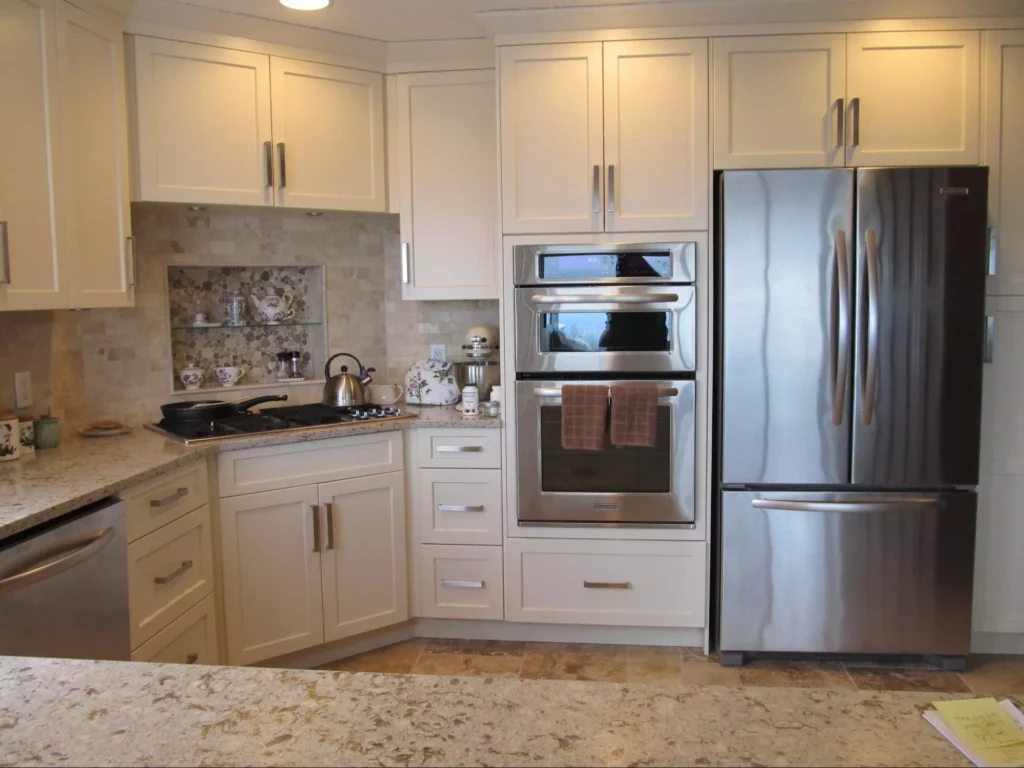
When it comes to renovating your kitchen, one of the options you might have is doing it yourself (DIY). DIY kitchen renovations can be a cost-effective way to get the kitchen you want, but there are some important things to consider before starting your project. In this article, we’ll explore five key factors to think about before embarking on a DIY kitchen renovation.
Choosing the right tiles for your kitchen is crucial. Not only do they need to look good, but they also need to be durable and easy to clean. When selecting tiles for your DIY kitchen renovation, consider factors such as size, colour, and material. Subway tiles are a popular choice for their classic look and easy maintenance, while larger format tiles can create a more modern feel. Ensure that the tiles you choose are suitable for use in a kitchen environment and that you have enough to cover the desired area.
Before starting any DIY kitchen renovation, it’s essential to set a realistic budget. Consider the cost of materials, such as cabinets, countertops, and appliances, as well as any necessary tools or equipment. Don’t forget to factor in the cost of any professional help you might need, such as for electrical or plumbing work. By setting a budget upfront, you can avoid overspending and ensure that your renovation stays on track.
Your kitchen style should reflect your personal taste and the overall aesthetic of your home. When planning your DIY kitchen renovation, think about the style you want to achieve, whether it’s modern, traditional, or somewhere in between. Consider factors such as cabinet door styles, countertop materials, and hardware finishes to create a cohesive look. If you’re unsure where to start, look for inspiration online or in design magazines.
Kitchen accessories can add both function and style to your space. When planning your DIY kitchen renovation, think about the accessories you’ll need, such as lighting fixtures, faucets, and cabinet hardware. Choose accessories that complement your chosen style and that are both practical and attractive. Consider adding features like a pot filler faucet or under-cabinet lighting to enhance your kitchen’s functionality and appeal.
Finally, consider whether you have the skills and experience necessary to undertake a DIY kitchen renovation. While DIY projects can save you money, they also require a significant time commitment and may involve some risk. If you’re not confident in your abilities or don’t have the necessary tools and equipment, it might be better to hire a professional contractor to handle the renovation. However, if you’re handy and enjoy taking on home improvement projects, a DIY kitchen renovation can be a rewarding and cost-effective way to transform your space.
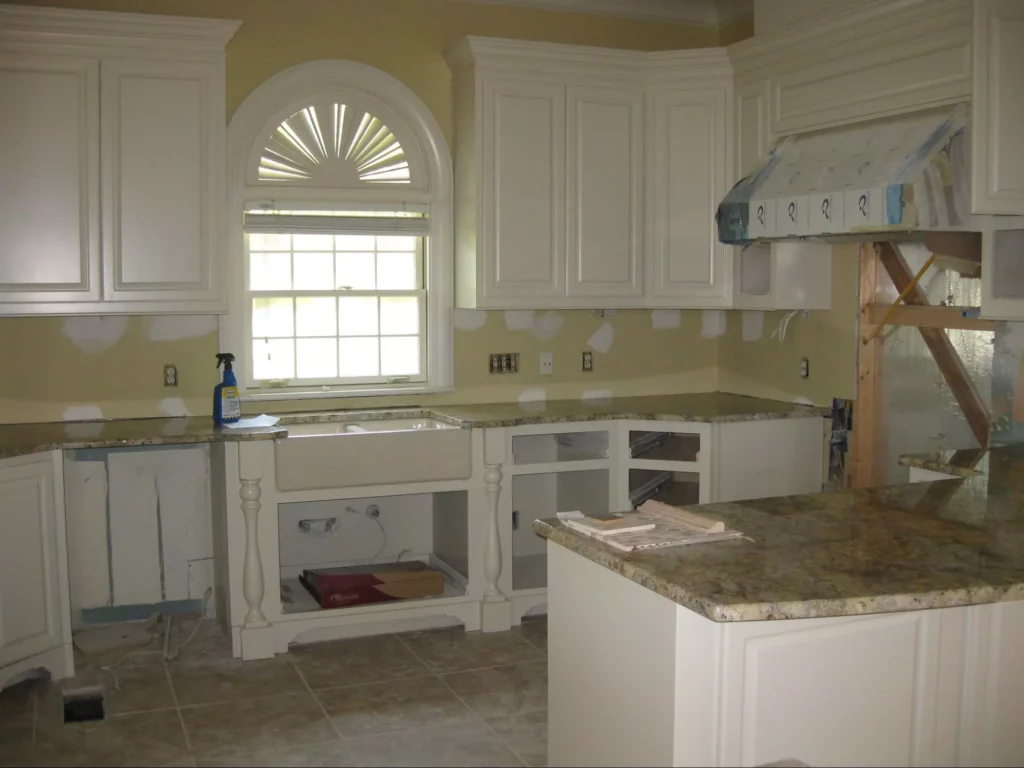
Renovating your kitchen can be an exciting project. A DIY kitchen renovation allows you to create a space that fits your style and needs. This guide will take you through five simple steps to help you transform your kitchen. Each step is easy to follow, making your renovation a fun experience.
The first step in your DIY kitchen renovation is planning. Take time to think about what you want. Consider the layout, colours, and materials you would like to use. Look at magazines or online for inspiration. Make a list of the changes you want to make, such as new cabinets, countertops, or appliances.
Next, create a budget. Decide how much money you can spend on your renovation. This will help you choose materials and designs that fit your budget. Remember to include costs for tools, supplies, and any professional help you might need. A clear plan will keep your project on track.
Once you have a plan, it’s time to gather your tools and materials. Make a list of everything you need for your DIY kitchen renovation. Common tools include hammers, screwdrivers, saws, and drills. You may also need safety gear like gloves and goggles.
After you have your tools, shop for materials. Visit local hardware stores or look online for the best deals. Choose materials that match your style and budget. Whether you want wooden cabinets or tile backsplashes, having everything ready will make your renovation smoother.
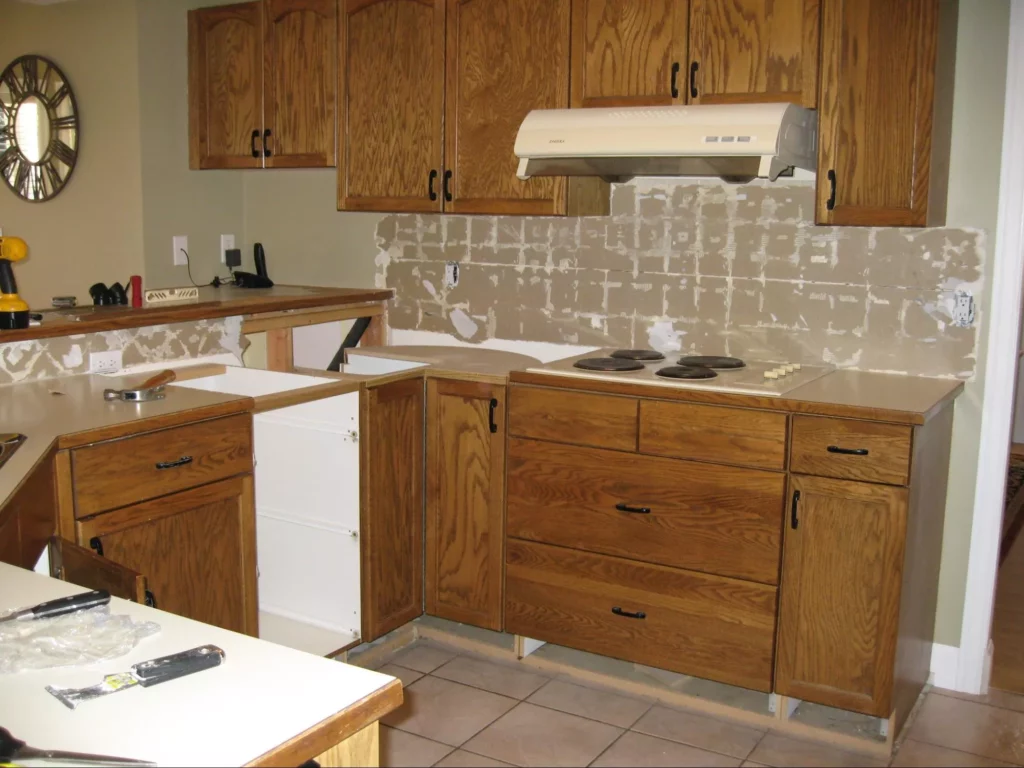
The next step is demolition. This means removing old items from your kitchen. Start by taking out old cabinets, countertops, and appliances. Be careful when using tools, and always follow safety guidelines. If you are unsure about something, ask for help.
As you remove items, keep the area clean. This will make it easier to work and keep you safe. Take your time during this step. It’s important to do it right to avoid problems later. Once everything is cleared out, you will be ready for the next step.
Now it’s time to install new features in your kitchen. Start with the big items, like cabinets and countertops. Follow the instructions carefully to ensure everything is secure. If you are installing cabinets, make sure they are level and properly aligned.
After the cabinets are in place, you can add other features like a new sink or appliances. Take your time to connect plumbing and electrical items safely. If you feel unsure about any part of the installation, consider asking a professional for help. This will ensure everything works correctly.
The final step in your DIY kitchen renovation is adding finishing touches. This includes painting walls, adding hardware to cabinets, and decorating your kitchen. Choose colours and styles that make you happy and match your overall design.
You can also add personal touches, like artwork or plants, to make the space feel warm and inviting. Don’t forget about lighting! Good lighting can change the mood of your kitchen. Once you finish these details, your kitchen will be ready to enjoy.
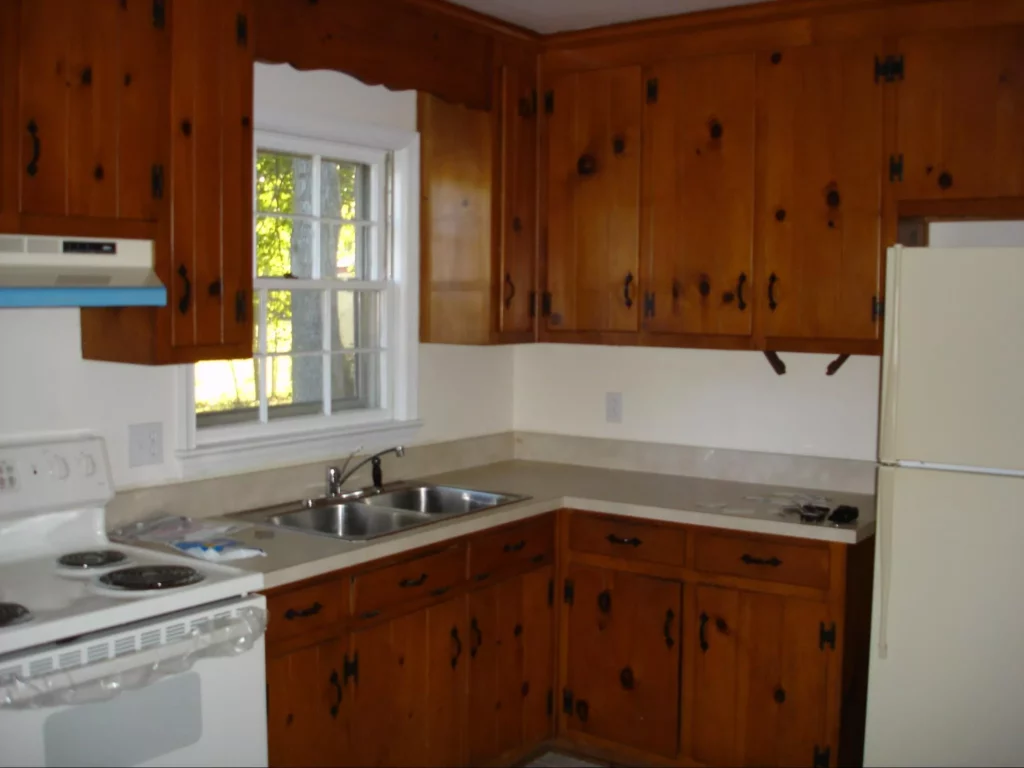
A DIY kitchen renovation can be a fun and rewarding project. However, it can also be tricky if you are not careful. Many people make mistakes that can cost time and money. Here are five traps to avoid when planning your DIY kitchen renovation.
One of the biggest traps is skipping the planning stage. Before you start tearing down cabinets or picking out paint, take time to plan. Write down what you want to change and how you want your kitchen to look. Make a budget and stick to it. This will help you avoid surprises later on. A good plan can save you a lot of stress.
Another common trap is underestimating costs. Many people think they can do a DIY kitchen renovation on a small budget. However, costs can add up quickly. From materials to tools, it is easy to spend more than you planned. Make sure to research prices and include everything in your budget. This way, you won’t run out of money halfway through your project.
Ignoring building codes is a serious trap that can lead to big problems. Each city has rules about how to build and renovate homes. If you don’t follow these rules, you may face fines or have to redo your work. Always check local building codes before starting your DIY kitchen renovation. This will help you stay safe and legal.
Choosing the wrong materials can also ruin your DIY kitchen renovation. It’s tempting to pick the cheapest options, but this can lead to problems later. For example, low-quality cabinets may not last long. Instead, invest in good materials that will stand the test of time. This will save you money in the long run and make your kitchen look better.
Finally, rushing the process is a trap many people fall into. It’s easy to get excited and want to finish quickly. However, taking your time is important. Rushing can lead to mistakes, such as mismeasuring or poor installations. Give yourself enough time to do each step carefully. This will help you achieve the best results for your DIY kitchen renovation.
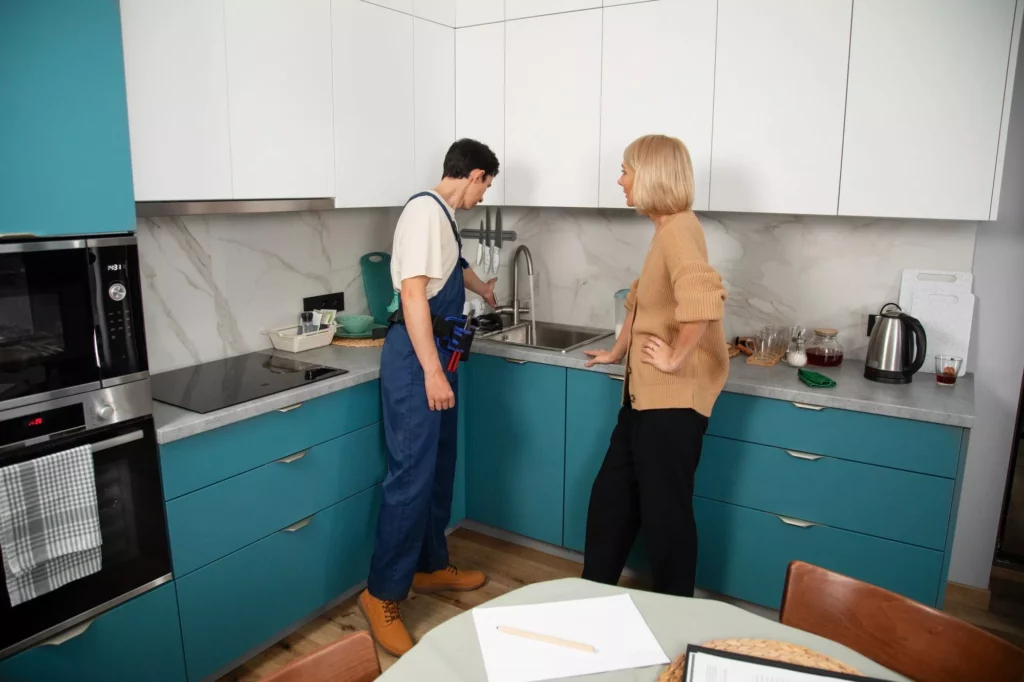
DIY kitchen renovation can take a long time, often weeks or even months, depending on your skills and experience. You need to do demolition, install new cabinets, countertops, appliances, and more. It’s a lot of work.
Hiring a professional kitchen renovation company like Prime Kitchens and Bathrooms is faster. They have a team of experts who can complete your kitchen in just a few days. Professionals also have the right tools and know-how to do the job correctly.
DIY kitchen renovation has risks. You might make mistakes or cause damage if you’re not experienced. Professionals are trained to avoid issues and fix any problems that come up. They also have insurance to protect you.
Don’t take a chance with your kitchen. Contact Prime Kitchens and Bathrooms today to get a free quote on your diy kitchen renovation project. Our team of experts will work with you to design and build the kitchen of your dreams. Call us now!
DIY kitchen renovation takes a lot of work, but it’s very rewarding when you see the final result. Follow these steps carefully, and you’ll have a beautiful new kitchen in no time. Remember to take your time, stay safe, and don’t be afraid to ask for help if you need it.
If you’re feeling overwhelmed or want a professional touch, contact Prime Kitchens and Bathrooms. Our team of experts can help with your diy kitchen renovation project, from design to installation. We’ll work with you to create the kitchen of your dreams. Get in touch today for a free quote!
Yes, you can renovate a kitchen yourself if you have the right skills and tools. Many people use DIY kitchen remodel ideas to update their space on a budget. However, for complex tasks like plumbing or electrical work, you may need to hire a tradesperson.
Yes, you can renovate your kitchen for $5000, but your options will be limited. You might focus on simple updates like painting, replacing hardware, or installing laminate benchtops. Customising cabinetry within this budget can be challenging, so plan carefully.
The best order to renovate a kitchen is to start with the design and planning phase, followed by demolition, then plumbing and electrical work. After that, you can install cabinets and benchtops, followed by flooring and finishing touches. This order helps ensure a functional kitchen.
A DIY kitchen remodel can take anywhere from a few weeks to several months, depending on the project’s size and complexity. If you’re doing everything yourself, be prepared for unexpected delays, especially when coordinating with tradespeople like electricians or plumbers.
The most expensive part of a kitchen remodel is often the cabinetry. Custom cabinetry can significantly increase your costs, especially if you want to personalise it to fit your space perfectly. Other costly items include high-end appliances and a benchtop.
It is possible to renovate a kitchen in 2 weeks, but this usually requires a well-planned project and the help of skilled renovators. If you’re doing a simple update, like changing fixtures and painting, you might achieve this timeline, but more extensive remodelling will take longer.


