
Having an aesthetically pleasing bathroom is everyone’s dream. A beautiful bathroom has a way to give a comfortable feeling while bathing or, for some people, while doing laundry or any other thing that goes on in the bathroom.
Renovation is a way to give yourself a new bathroom without changing your apartment. So, if you’ve decided to go for a renovation, you’re in the right place.
In this step-by-step guide, we’ll walk you through everything you need to know to remodel a bathroom successfully.
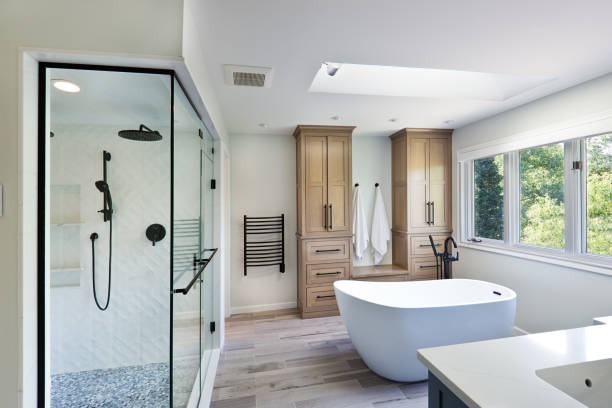
Planning is the cornerstone of any successful bathroom renovation. Start by evaluating your current bathroom layout and identifying what needs to change. Ask yourself the following questions: What is the primary use of this bathroom? Do you need more storage, better lighting, or a more modern look? Do you want to change the current layout? Make sure you know your budget and timeline to avoid any unexpected surprises.
Consider the following elements when planning your bathroom’s new look:
Before you start any demolition or construction, it’s essential to check local building codes and regulations. Many bathroom renovations require permits, especially if you’re moving plumbing lines or electrical fixtures. This is where we come to the rescue, because, as licenced contractors, we will ensure that all plans and contracts meet local requirements.
Additionally, capping services for plumbing and electrical fixtures should be arranged before demolition begins. This step is necessary to prevent any leaks or electrical hazards during the renovation project.
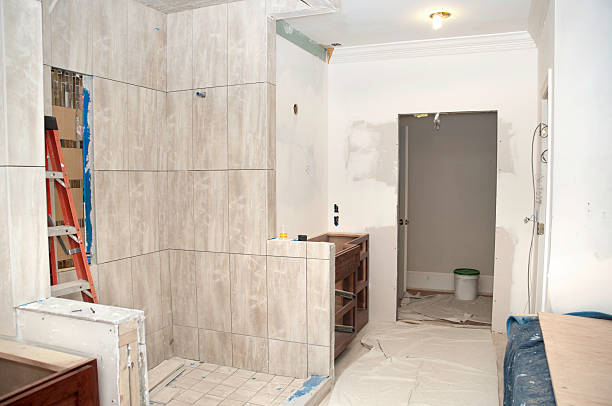
Demolition is one of the most important steps in a bathroom renovation. And while this is on, you will need to find somewhere else to do your bathroom duties till the project is completed. If you’re doing DIY, follow these steps. Begin by removing tapware, fixtures, and fittings. Use safety goggles and get ready to gut your bathroom. Make sure to turn off the water supply and electricity before you start. Here are the key steps:
If this task is too difficult, you will need a professional. Our experts will make a proper demolition of your old bathroom ensuring it meets all the regulatory standards.
Many bathrooms may contain hidden issues like mould, asbestos, or plumbing leaks. Hiring a professional plumber and electrician to inspect the bathroom before you start can save you time and money. Additionally, avoid the following mistakes:
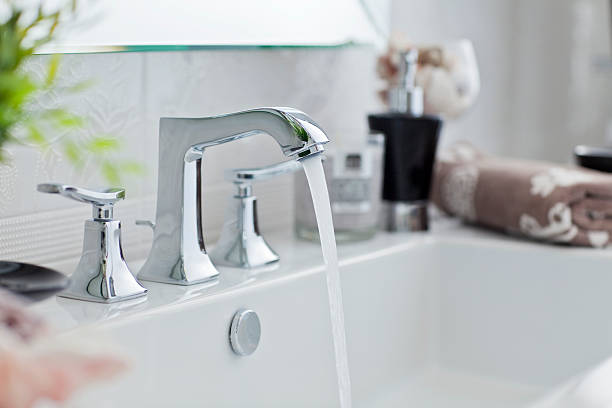
Installing new plumbing is a complex part of a bathroom remodel. Depending on whether you’re relocating fixtures or simply updating them, you may need to hire a professional plumber. Here are the steps involved:
Electrical work is another critical aspect of a bathroom renovation. Poorly installed electrical fixtures can be hazardous. Hiring a licenced electrician is highly recommended. Key steps include:
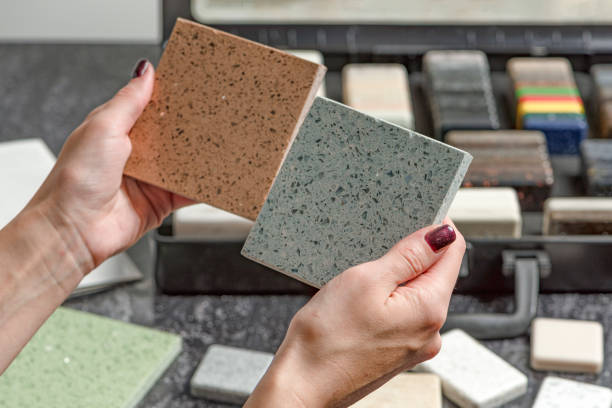
The final steps of a bathroom renovation involve tiling, painting, and installing the last fixtures. Here’s a step-by-step guide to completing your bathroom makeover:
To ensure a successful bathroom remodel, follow these final tips:
Renovating your bathroom can be stressful, but with careful planning and execution, you can achieve a stunning transformation. Whether you’re tackling a DIY bathroom remodel or hiring professionals, following this step-by-step guide will help ensure success.
Are you ready to renovate your bathroom? Contact us for expert advice and professional services. Our experienced professionals are here to help you every step of the way, from planning to the final touches. Let us help you create the bathroom of your dreams.
Renovating a bathroom involves updating and improving the design, fixtures, and overall look of the space.
You can do a DIY bathroom remodel by following a step-by-step guide and using your DIY skills to update features like the shower head, bathtub, and vanity.
To ensure a successful renovation, avoid skipping steps like proper waterproofing, supporting the weight of fixtures, and neglecting plumbing work.
A tradesperson would know the specific requirements of the job, such as supporting the weight of fixtures, ensuring proper plumbing work, and handling existing holes in the wall.
Some key parts of the job include installing a new shower and tub, sinks and electrical outlets, and choosing between a wall or freestanding bath.
Upgrading fixtures like the shower head, bathtub, and vanity can give your space a new and modern feel without a complete overhaul.


